Business Impact Assessment (BIA) Services


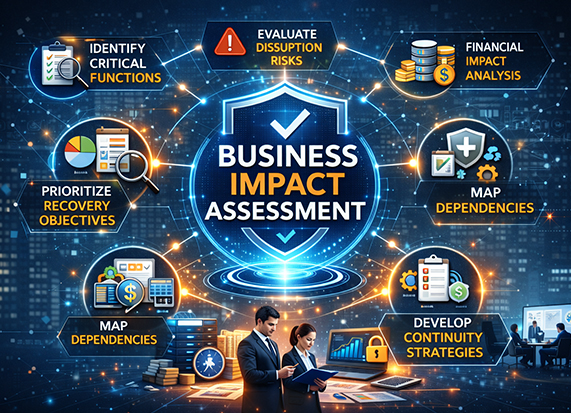
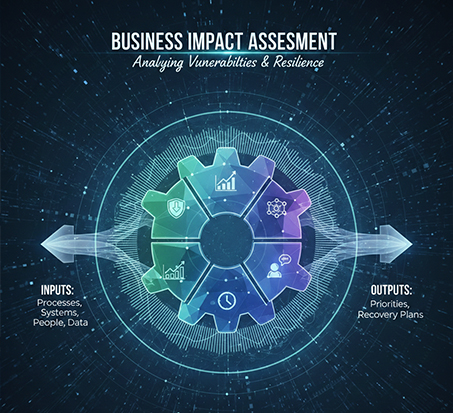
A Business Impact Assessment (BIA) is a structured and systematic process used to analyze how disruptions—such as cyberattacks, natural disasters, technology outages, or supply chain failures—can affect an organization’s key operations, financial health, reputation, and regulatory compliance. It identifies which business functions are critical, estimates the consequences of their disruption, and helps prioritize recovery strategies.

A BIA is often a foundation for effective business continuity planning, disaster recovery strategies, and resilience frameworks, giving decision-makers clarity about where to focus resources and mitigation efforts.
Why Business Impact Assessment Matters


In an era of frequent operational disruptions and cyber threats, understanding what matters most to your business is crucial. A BIA:

  • Reveals the critical business functions and processes essential for continuity.
  • Quantifies the potential impact of service interruptions on operational performance, revenue, and reputation.
  • Helps organizations establish recovery time objectives (RTOs) and recovery strategies.
  • Informs leadership on resilience investments and continuity decision-making.
  • Aligns continuity planning with regulatory and industry requirements.

By using BIA data, organizations can prepare proactively and respond to disruptions with confidence rather than crisis-manage reactively.

Benefits of Business Impact Assessment


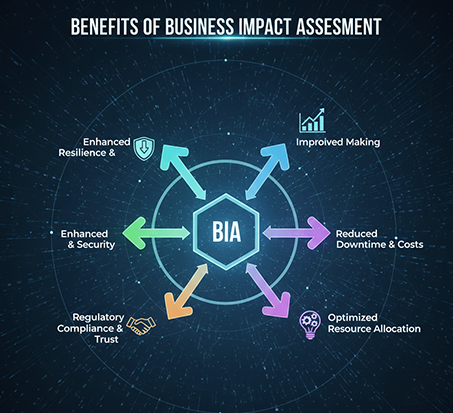
Conducting a BIA delivers multiple advantages:

  • Improved Operational Resilience: Identifies essential functions and recovery strategies.
  • Financial Awareness: Quantifies losses associated with downtime and disruption.
  • Strategic Prioritization: Helps allocate resources where they matter most.
  • Facilitates Continuity Planning: Provides data to build or refine business continuity plans.
  • Regulatory Alignment: Supports compliance with industry standards.

Frequently Asked Questions (FAQs)

The primary purpose is to evaluate how disruptions could impact business operations and define priorities for recovery and continuity planning.

The duration depends on business size, complexity, and scope. Typically it ranges from a few weeks to several months.

No. A BIA identifies impact and priorities, while disaster recovery planning outlines the specific steps to restore systems and operations.

Ideally annually or whenever major changes occur in business operations.